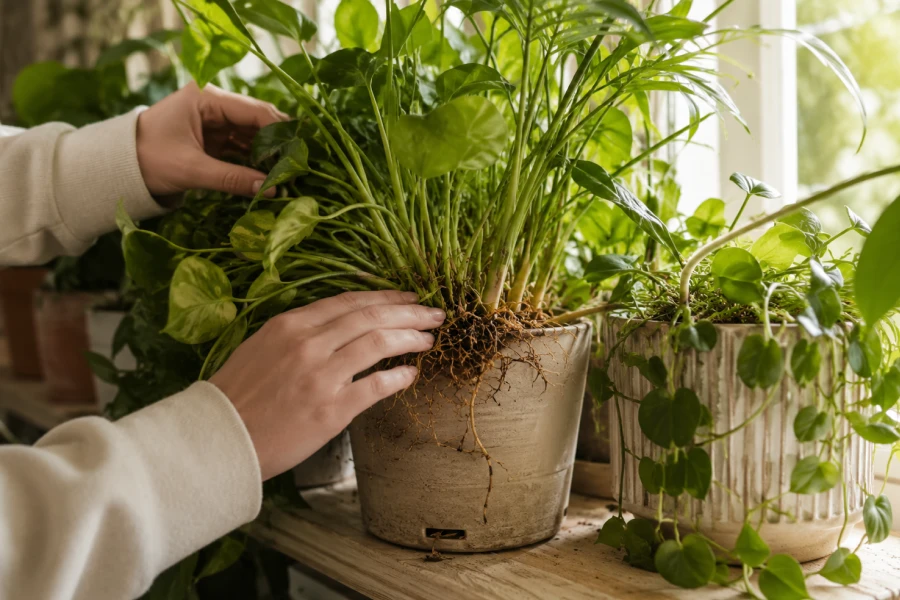
Plant Spacing Checklist planning helps your houseplants receive enough light, airflow, and room to grow naturally. A crowded plant shelf can look beautiful for a photo, but plants need breathing room in real life. Leaves that press together may trap moisture. Pots placed too closely can hide pests. Taller plants can shade smaller ones. Roots can also outgrow containers when plant size increases. Spacing is not only an aesthetic choice. It is a care habit. When you arrange plants thoughtfully, your indoor garden becomes healthier and easier to maintain.
Spacing affects nearly every part of plant health. Better airflow helps leaves dry after watering or misting. Better light exposure supports stronger stems and fuller growth. Easier access allows you to inspect soil, leaves, and roots more often. Crowding can hide problems until they become serious. A useful plant spacing guide helps you create displays that look good while still supporting growth.
Leaves need room to expand without pressing constantly against walls, windows, or neighboring plants. A little contact is normal, especially with trailing or broad-leaf varieties. Constant compression is different. It can limit light, create damp spots, and make pests harder to notice. Step back and look at the plant from several angles. Check the center, back, and lower leaves. Move plants slightly apart where growth looks crowded. Small changes can improve airflow quickly. Good spacing does not require empty shelves. It requires thoughtful breathing room.
Shelves are common places for overcrowding. Plants look attractive grouped together, but each one needs access to light and care. Place taller plants toward the back only if they will not block smaller ones. Put trailing plants near edges where stems can fall freely. Rotate pots so one side does not stretch toward light. Leave enough room to remove each pot for watering and inspection. A practical indoor plant checklist can help you keep shelves styled and healthy.
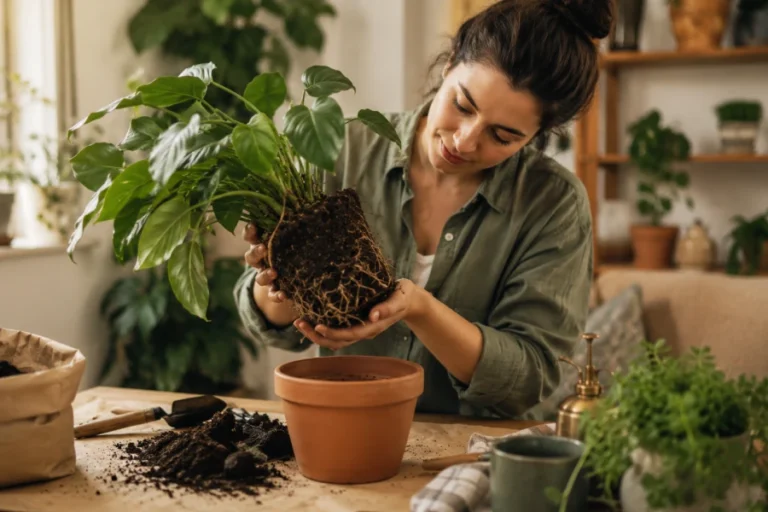
Plant spacing is not only about leaves. Roots also need attention. A plant that looks crowded above the soil may be crowded below it. Check drainage holes, watering speed, and soil behavior. If water runs through too quickly or roots circle tightly, the plant may need repotting. Choose containers based on root needs, not display size alone. Decorative pots can hide nursery pots that are too small. Inspect them regularly. Healthy root space supports stronger foliage, better moisture balance, and steadier growth.
Airflow matters most in dense plant groupings. When leaves overlap heavily, moisture can linger after watering. That creates conditions pests and fungal issues may enjoy. Improve airflow by pruning dead leaves, thinning crowded stems, and moving pots slightly apart. Avoid placing too many moisture-loving plants in one tight corner unless ventilation is good. Fans can help in some spaces, but distance still matters. Air should move around the plant, not only across the front leaves. Better airflow often improves plant appearance within weeks.
A beautiful plant display should still be easy to care for. If you cannot reach a pot, inspect leaves, or water without moving many items, the arrangement is too complicated. Style with trays, stands, and risers to create levels. This makes the display more interesting while improving access. Group plants with similar light and water needs when possible. Separate plants that require different conditions. Styling should support care. When the setup works functionally, the display stays beautiful longer and creates less daily frustration.
The most common mistake is arranging plants only for appearance. Another mistake is ignoring growth after the display looks finished. Plants change shape, spread leaves, and outgrow containers. Review spacing every season. Move plants before crowding becomes severe. Avoid placing new plants directly into dense groups without inspection. Quarantine helps protect the rest of your collection. Do not let decorative pots hide drainage or root problems. For healthier results, use houseplant growth tips that connect styling choices with long-term care.

Leave a comment