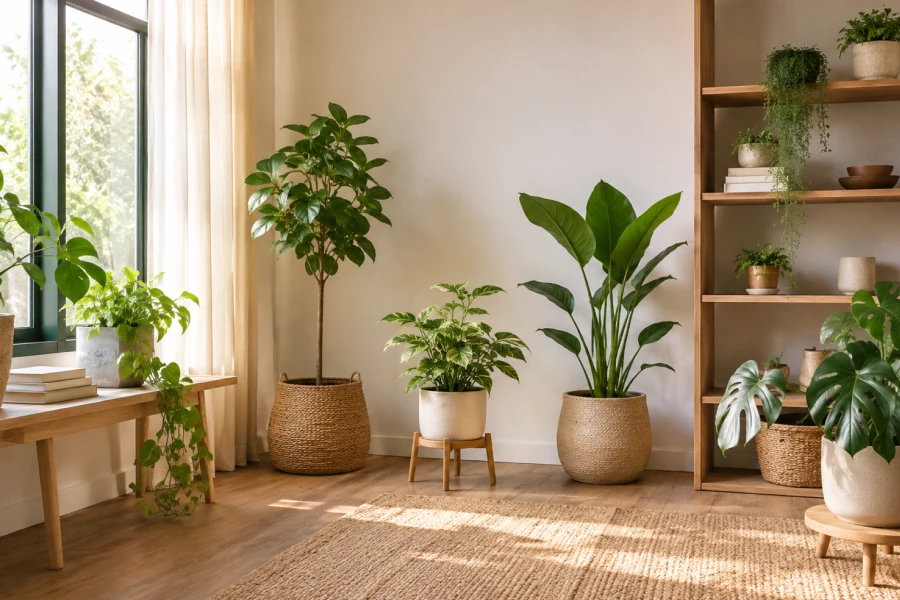
Overcrowded Plant Care starts with recognizing that a full plant is not always a healthy plant. Dense leaves can look attractive while hiding stress underneath. Roots may be packed tightly. Soil may dry too quickly. Lower leaves may yellow because light cannot reach them. Stems may stretch or twist toward open space. These changes happen gradually, so they are easy to miss. A careful care routine helps you respond early. With the right steps, you can restore airflow, improve root comfort, and support stronger growth.
Observation prevents unnecessary repotting and missed warning signs. Some plants naturally enjoy snug containers. Others decline quickly when roots lack space. Watch the whole plant before deciding what to do. Look at leaves, stems, soil, drainage holes, and watering patterns. The strongest clue is usually a combination of symptoms. A helpful houseplant care checklist can guide your inspection so you do not rely on one sign alone.
Full growth can be healthy when leaves are firm, color is even, and new growth looks strong. Crowding becomes a problem when the plant struggles to maintain that fullness. Yellowing lower leaves, tiny new leaves, stunted growth, and tangled stems can signal stress. Check whether airflow reaches the center of the plant. Look for pests in dense areas. Notice whether the soil stays balanced after watering. A thriving plant looks abundant but still has access to light, air, and moisture. A crowded plant looks compressed and strained.
Root crowding needs careful handling. If roots circle tightly, loosen them gently before repotting. If the root ball is extremely dense, make a few small vertical openings with clean fingers or a sterile tool. Avoid tearing roots roughly. Choose a container with drainage and only a modest size increase. Fresh soil should suit the plant’s moisture needs. After repotting, keep conditions steady. Bright indirect light and careful watering help recovery. An easy plant care guide can make each step less intimidating.
Pruning can solve above-soil crowding without disturbing roots. Remove dead, yellow, damaged, or crossing leaves first. Then thin areas where stems block light or trap moisture. Use clean tools to reduce disease risk. Cut with purpose, not panic. Too much pruning can shock the plant. Small corrections often work better. Step back between cuts and check the shape. The goal is better airflow and balanced growth. Pruning also helps you inspect hidden areas for pests, mold, or damaged stems.
After repotting, the plant needs stability. Do not move it repeatedly. Avoid strong fertilizer for a short recovery period. Water according to the plant’s needs, not out of guilt. Some plants droop briefly after root disturbance. Watch for improvement over the following weeks. New growth is a better sign than immediate perfection. Keep the plant away from harsh direct light if it usually prefers gentler conditions. This recovery phase matters. Good aftercare determines whether repotting becomes helpful or stressful.
Placement affects crowding more than many plant owners realize. Plants grouped tightly on shelves can block each other’s light. Leaves touching windows may burn or chill. Pots placed too closely can reduce airflow. Give each plant enough room to expand naturally. Rotate pots so growth stays balanced. Move trailing plants where stems can fall freely. Raise smaller plants so they are not shaded by larger ones. These adjustments can improve health before major intervention is needed. Space is part of care, not just design.
The biggest mistake is assuming every crowded plant needs the same solution. Some need repotting. Some need pruning. Others need division, spacing, or better light. Another mistake is waiting until roots are severely bound. Early action is gentler. Avoid using oversized pots as a shortcut. They can create soggy soil and root stress. Do not fertilize heavily to force growth in a crowded setup. Fix the environment first. For steady progress, follow plant health restoration tips that support roots and foliage together.




Leave a comment