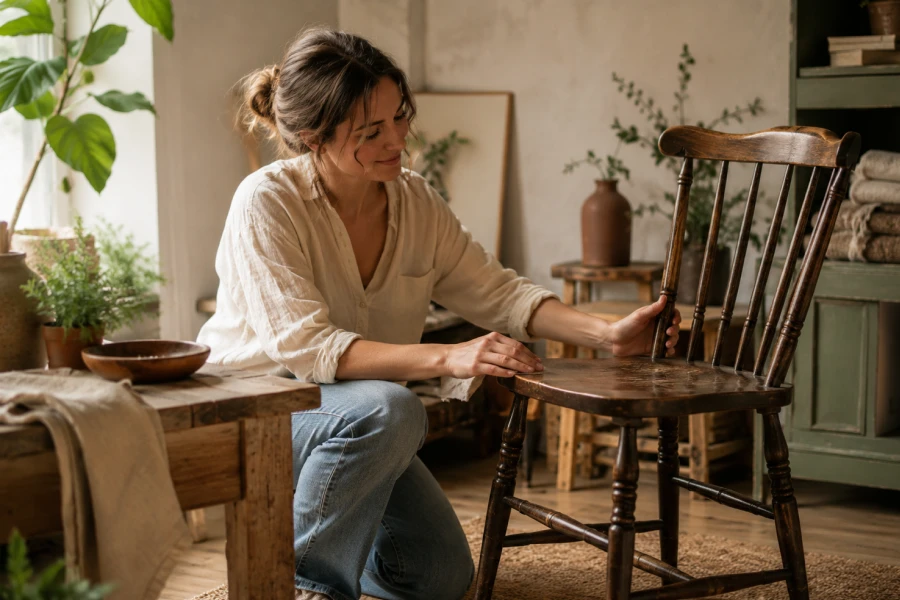
Secondhand Home Decor Guide choices help you create a home with depth, character, and lasting style. New decor can look polished, but older pieces often bring more soul. A room feels richer when every object has texture, history, and purpose. This approach also supports thoughtful spending and sustainable habits. You do not need a large budget to create a collected look. You need patience, taste, and a clear eye. The goal is not to fill every corner quickly. It is to choose pieces that make the room feel personal. When you shop with intention, secondhand finds become design assets.
Secondhand decorating works because it slows the design process down. You stop buying filler pieces just to finish a room fast. Instead, you notice materials, silhouettes, and craftsmanship more carefully. A wooden stool, ceramic lamp, or framed print can shape the whole mood. These pieces often feel less predictable than mass-produced decor. They also help your home avoid a showroom effect. With the right thrifted home decor guide, you can build rooms that feel warm, layered, and completely individual.
Personality comes from contrast, not perfect matching. A modern sofa can look more interesting beside a vintage side table. A simple shelf can feel curated with older books, pottery, and small sculptural objects. The key is balance. Too many statement pieces compete for attention. Too many plain pieces make the room feel flat. Start with one strong secondhand item, then let the room respond to it. This keeps the space focused. It also makes each piece feel selected, not random. Over time, the room begins to tell a clearer story.
A strong strategy starts before you enter a thrift store. Measure your room, note empty areas, and decide what the space truly needs. This prevents impulse purchases that later feel awkward. Look for useful categories first, such as lamps, mirrors, trays, chairs, baskets, and framed art. These pieces are easier to blend into existing rooms. Then consider decorative accents only after function feels covered. A thoughtful sustainable interior design ebook can help you turn browsing into a clear design process.
Timeless secondhand decor usually has strong materials and simple lines. Wood, stone, glass, brass, linen, and ceramic tend to age beautifully. Trend-driven shapes can still work, but they should not dominate the room. Check every item for stability, odor, cracks, stains, and repair needs. Small flaws can add charm. Structural problems can create frustration. Ask whether the piece would still interest you in two years. If the answer is yes, it may deserve a place in your home. Good secondhand style rewards patience more than quick decisions.
Small spaces benefit from secondhand decorating when every piece has a job. Choose mirrors to reflect light, stools that double as tables, and baskets that hide daily clutter. Avoid heavy furniture that blocks movement. Older pieces often have slimmer proportions than newer bulky designs. That makes them useful in apartments, rentals, and compact rooms. Focus on vertical surfaces, narrow consoles, and layered wall art. These details create richness without stealing floor space. With careful scale, vintage finds can make a small room feel thoughtful rather than crowded.
Collected style does not mean displaying everything at once. Leave breathing room around your favorite pieces. Group objects by material, color, or shape to create quiet order. A brass candleholder, amber vase, and wood frame can work together because their tones feel related. Rotate smaller finds seasonally instead of keeping them all visible. This keeps the room fresh. It also protects your best pieces from disappearing into clutter. For more structure, use vintage styling tips that connect each object to the larger mood of the space.
The biggest mistake is buying because something is cheap. A low price does not make an item useful, beautiful, or right for your room. Another mistake is mixing too many eras without a visual thread. Color, material, or shape should connect the pieces. Avoid items that require repairs you will never finish. Also avoid oversized pieces unless you know exactly where they will go. Better rooms come from editing, not collecting endlessly. When you choose slowly, secondhand decor becomes elegant, practical, and deeply personal.


Leave a comment