Overcrowded Plants Checklist habits help you notice plant stress before it turns into weak growth, yellowing leaves, or root trouble. Plants often look full and lush before they become crowded. That is why early signs matter. Leaves may overlap heavily. Soil may dry too fast. Growth may slow even during the right season. Roots may circle the pot or push through drainage holes. These signals tell you the plant needs more space, better pruning, or careful division. With a simple checklist, you can respond before the plant declines.
Overcrowding affects light, airflow, water, and nutrients. When plants compete too closely, leaves may block each other from receiving enough light. Moisture can linger between stems. That can invite fungal issues or pests. Roots may also struggle inside a tight container. The plant keeps surviving, but it stops thriving. A practical plant care checklist helps you separate normal fullness from real crowding. That distinction protects plant health.
Leaves often reveal crowding before roots do. Look for cramped growth, tangled stems, yellow lower leaves, and leaves pressed tightly together. Some plants naturally grow dense, so compare the current shape with earlier growth. If new leaves emerge smaller or weaker, the plant may need more room. Stems leaning away from the center can also signal competition for light. Turn the pot and inspect every side. A plant can look fine from the front while hiding crowding near the back. Careful observation prevents rushed decisions.
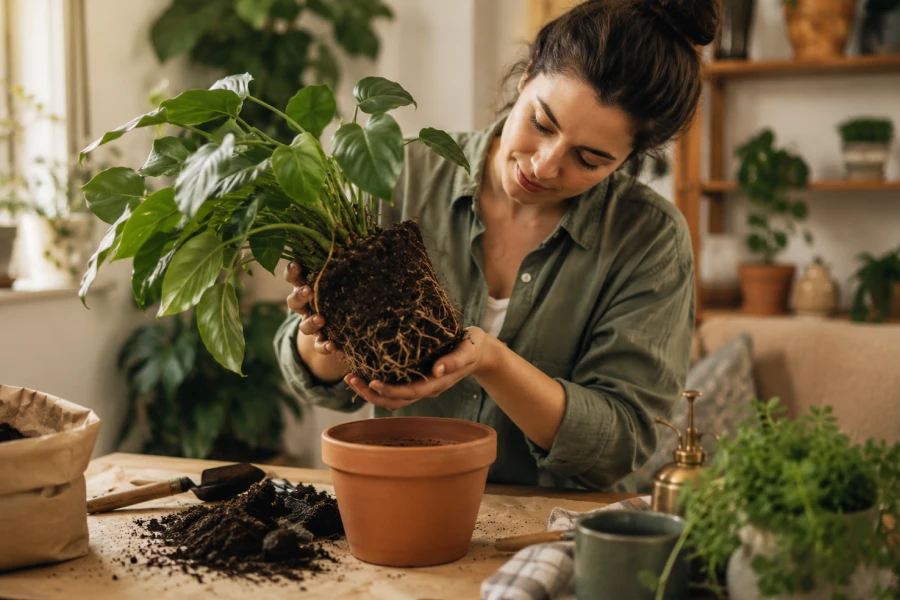
Roots give the clearest answer when visible signs feel confusing. Slide the plant gently from its pot if conditions allow. Healthy roots should have some space around the soil. Crowded roots often circle tightly, form a dense mat, or appear through drainage holes. Soil may also pull away from the pot edges. These signs suggest the plant needs repotting or division. Use an overcrowded plant guide to decide whether to size up, prune roots, or divide growth.
Watering behavior can reveal hidden crowding. A crowded plant may dry out much faster than usual. Water may run through the pot without soaking evenly. Leaves may wilt soon after watering because roots cannot absorb moisture well. On the other hand, dense foliage can trap humidity and keep inner areas damp. Both patterns can stress the plant. Track how often you water and how the soil responds. Sudden changes matter more than one dry day. Your watering routine should match the plant’s current size, not its old container.
Repotting should be calm and planned. Choose a pot only slightly larger than the current one. Too much extra soil can hold excess moisture. Prepare fresh potting mix suitable for the plant type. Water lightly before repotting if the root ball is very dry. Loosen tight roots gently without tearing healthy sections. Place the plant at a similar depth. After repotting, give it stable light and avoid heavy fertilizing immediately. A careful transition helps the plant recover. Good repotting solves crowding without creating new stress.
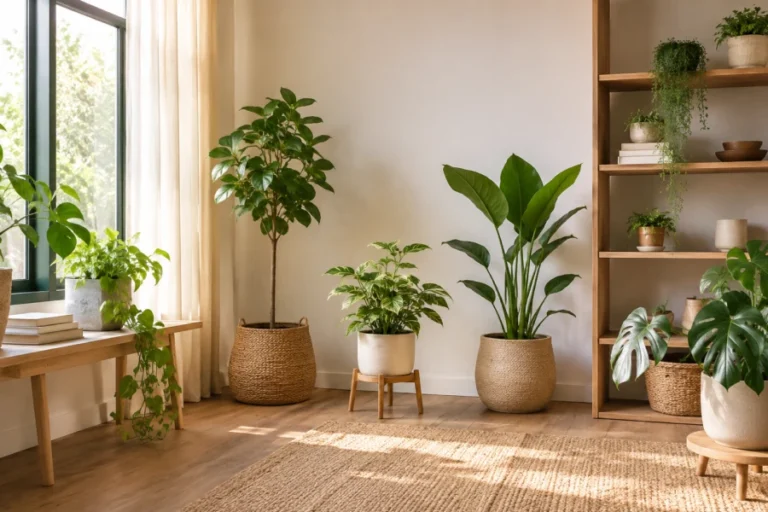
Not every crowded plant needs a larger pot. Sometimes the problem is above the soil. Trim dead leaves, remove weak stems, and rotate the pot for even light. Move plants farther apart on shelves or windowsills. Dense groupings look beautiful, but they can limit airflow. Better spacing helps leaves dry properly after misting or watering. It also reduces pest hiding places. Light access improves when stems are not constantly competing. Small adjustments can restore balance before repotting becomes necessary.
A common mistake is repotting too aggressively. Moving a small plant into a much larger pot can cause moisture problems. Another mistake is dividing a stressed plant at the wrong time. Wait until the plant is stable when possible. Avoid cutting healthy roots unless crowding is severe. Do not ignore pests while focusing only on space. Crowding can hide multiple issues. For better decisions, use healthy plant growth tips that connect spacing, watering, pruning, and root care.



Leave a comment