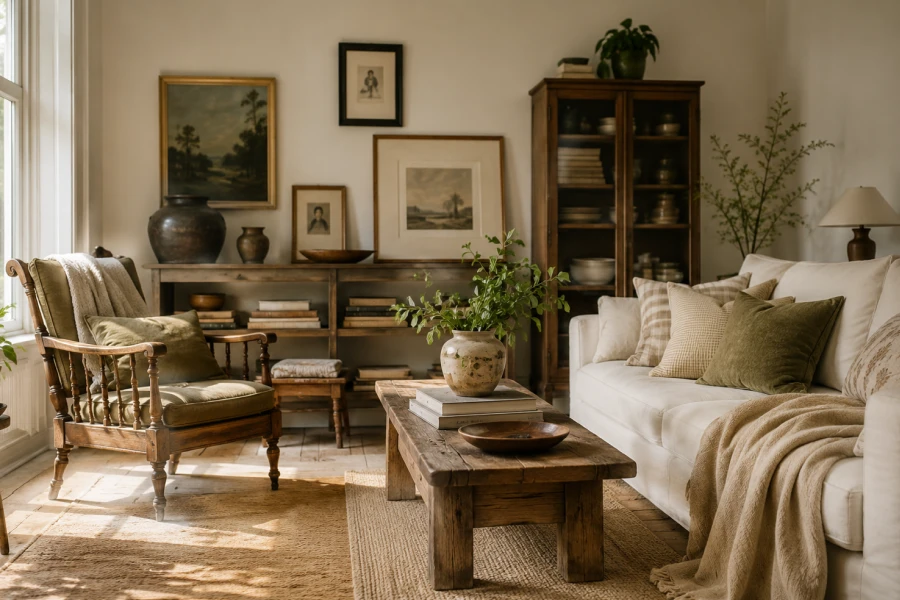
Sustainable Vintage Styling gives your home a thoughtful look while reducing waste and unnecessary buying. It encourages you to see existing objects differently. A scratched table can become charming with polish, placement, or a small repair. An old frame can make simple art feel special. A dated chair can become beautiful with new fabric. This approach works because it values potential. It also keeps decorating grounded in real life. You build slowly, choose carefully, and avoid disposable trends. The result is a home that feels expressive, responsible, and comfortably timeless.
Sustainable decorating is not only about buying less. It is about choosing better. Vintage pieces often contain stronger materials than many modern budget items. They can be repaired, refinished, restyled, and passed along. That makes them useful beyond one trend cycle. A home with older elements also feels more grounded. It carries texture, memory, and visual weight. When you use a sustainable home decor guide, you learn to create beauty without constant replacement.
Materials tell you whether a piece has long-term value. Solid wood, stone, brass, copper, wool, cotton, linen, ceramic, and glass usually age well. Plastic-heavy pieces can work, but they often feel less enduring. Touch the item when possible. Notice weight, finish, and construction. Check whether repairs would be simple or expensive. Good materials make styling easier because they already feel substantial. Even a simple bowl or stool can look refined when the material is strong. Let quality guide you before color, trend, or price persuades you.
Everyday rooms benefit most from practical vintage pieces. In a living room, try a secondhand coffee table, lamp, mirror, or storage basket. In a kitchen, use older bowls, trays, glass jars, and small framed prints. In a bedroom, add a vintage stool, nightstand, quilt, or wall sconce. These pieces soften spaces you use daily. They also make routines feel more pleasant. A useful vintage home styling ebook can help you match each find to the room’s real needs.
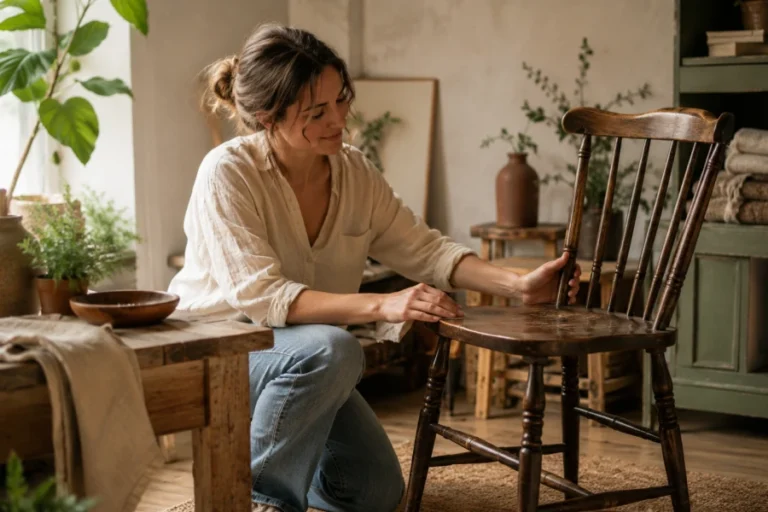
Upcycling works best when it respects the original object. You do not always need paint, new hardware, or major changes. Sometimes cleaning, oiling, tightening screws, or replacing fabric is enough. Keep marks that add warmth. Remove damage that affects function. This distinction matters. Too much alteration can make a vintage piece look generic. Too little care can make it look neglected. Study the shape before deciding what to change. If the piece already has beautiful lines, choose subtle improvements. Let restoration support the design instead of overwhelming it.
A clear palette helps older pieces look intentional. Choose two or three main colors for the room, then repeat them through textiles, art, and objects. Warm neutrals, muted greens, deep browns, soft creams, and faded blues work especially well with vintage materials. Repetition creates harmony. It also prevents secondhand finds from looking random. If one object has a strong color, echo it somewhere small. A pillow, book cover, vase, or artwork detail can create connection. This simple styling habit makes mixed-era rooms feel calm and designed.
Vintage shopping can become overwhelming because there is always another interesting object. The solution is editing. Keep a short list of what your home actually needs. Limit impulse purchases to pieces with clear function or strong beauty. Do not buy duplicates unless they serve a specific purpose. Leave behind items that require storage, repairs, or styling you will never complete. A refined home depends on what you reject as much as what you buy. Sustainable style should make your life lighter, not fill every surface.
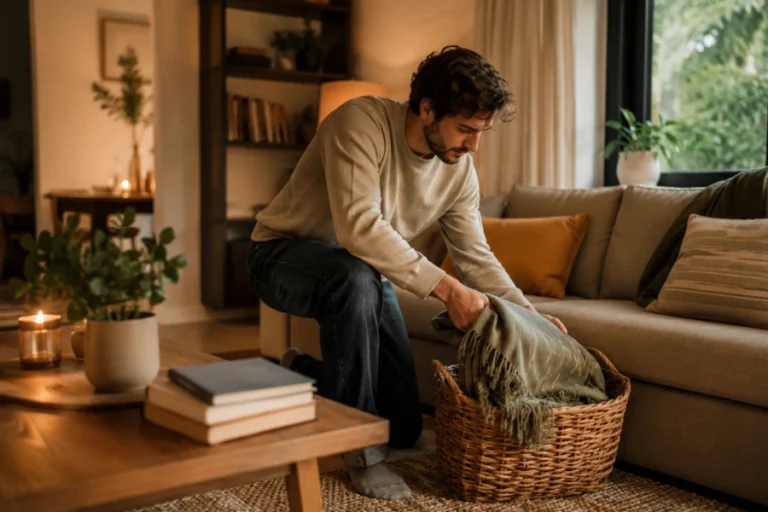
The best results come from making sustainability a normal design habit. Shop slowly. Repair before replacing. Reuse what you own. Move objects between rooms before buying something new. Trade, donate, or sell pieces that no longer fit. These actions keep your home evolving without waste. They also help your style become more confident. Instead of chasing trends, you begin recognizing what truly works for you. For deeper support, explore thrifted interior design tips that make sustainable choices feel stylish and realistic.


Leave a comment