Fix Overcrowded Plants carefully so your houseplants recover with stronger roots, better airflow, and healthier new growth. Crowding can happen slowly. A plant fills its pot, stems thicken, leaves overlap, and soil begins drying faster. At first, it may look like success. Later, growth weakens. The key is responding with the right level of care. Some plants need repotting. Others need pruning, division, or better placement. When you choose the correct fix, you reduce stress and give the plant room to thrive again.
Start with inspection before action. Look at the foliage, soil surface, drainage holes, and pot size. Notice whether roots are visible or water runs through too quickly. Check for pests hiding inside dense growth. Then decide whether the issue is above the soil, below the soil, or both. This order keeps you from repotting unnecessarily. A clear overcrowded houseplant checklist can help you match the symptom to the solution.
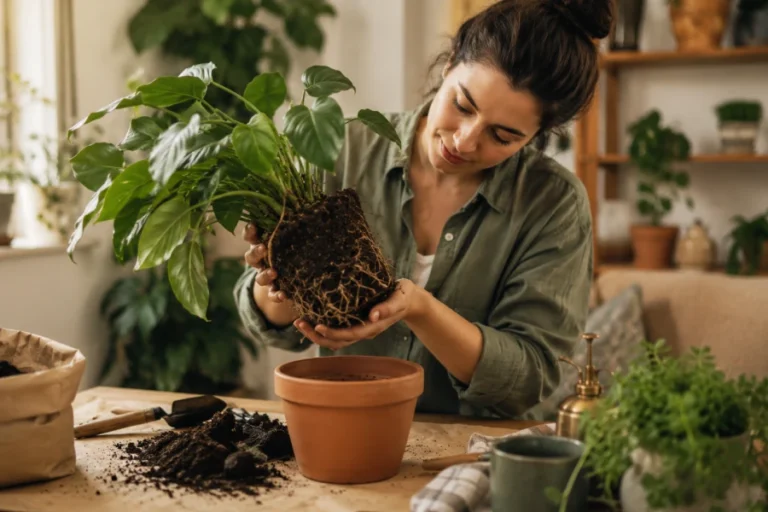
Repotting is useful when roots have no space left. Signs include roots circling the pot, pushing through drainage holes, or forming a tight mass. The plant may dry out faster than usual. Growth may slow even with good light and watering. Choose a pot slightly larger than the current one. Use fresh mix that suits the plant type. Avoid jumping to a huge container. Too much soil can hold excess moisture. Repotting should create room, not overwhelm the root system with wet, unused soil.
Pruning helps when leaves and stems are the main problem. Remove dead, weak, yellow, or crossing growth first. Then thin dense areas carefully. This improves airflow and allows light to reach inner leaves. Clean tools matter because crowded plants can already be vulnerable. Make small cuts and reassess often. Do not remove too much at once. A plant needs enough foliage to keep producing energy. With thoughtful pruning, the shape becomes lighter, healthier, and easier to maintain.
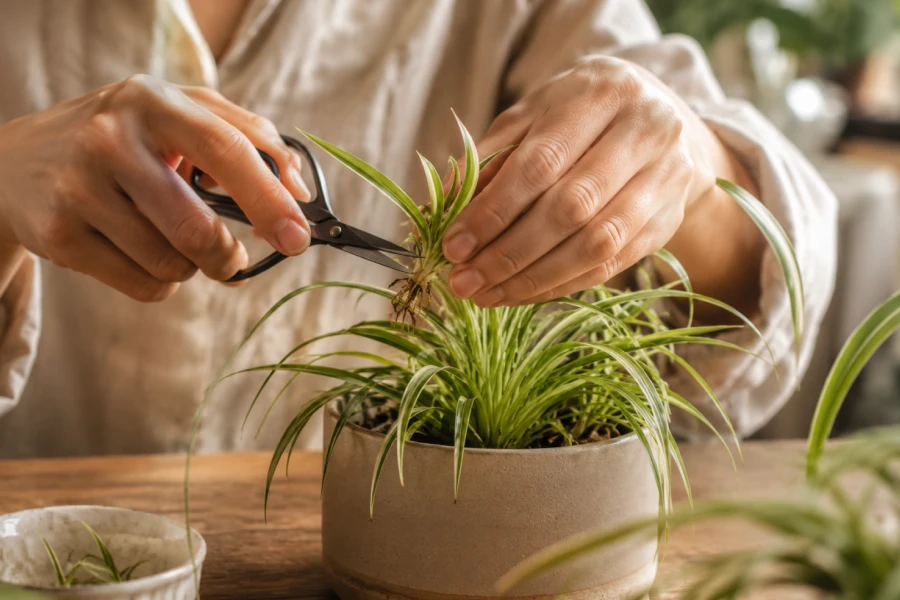
Some crowded plants are ready for division. This works well for plants that naturally produce clumps, pups, or multiple crowns. Remove the plant gently and inspect where sections separate naturally. Use clean hands or sterile tools. Keep healthy roots attached to each division. Pot each section into suitable soil and containers with drainage. Water carefully after planting. Division can refresh the original plant and create new ones. It should be done patiently, not forcefully. If the plant resists separation, pruning or repotting may be safer.
Sometimes the plant is not crowded inside its pot. It is crowded by its surroundings. Houseplants packed tightly on stands, shelves, or windowsills can compete for light. Leaves may stay damp where plants touch. Pests can spread more easily. Move pots apart and rotate them regularly. Raise shorter plants if taller ones shade them. Give trailing plants space to hang naturally. Better spacing improves airflow and makes inspection easier. For more help, use indoor plant care tips that combine design with health.
Plants need calm conditions after repotting, pruning, or division. Keep light stable. Avoid overwatering. Skip heavy fertilizer until the plant shows signs of recovery. Watch new growth, leaf firmness, and soil behavior. Some temporary drooping can happen after handling. Do not keep changing the plant’s location in response to every small reaction. Stability helps roots settle. Recovery takes time. Your job is to provide consistent care and observe carefully. The plant will usually show improvement through stronger leaves and steadier growth.
Early action is always easier than rescue work. Check pots every few months, especially during active growth seasons. Watch for faster drying, cramped stems, smaller leaves, or visible roots. Keep notes if you manage many plants. Patterns become easier to spot when you track them. Do not wait for severe yellowing or root damage. Small corrections protect long-term plant health. A practical healthy houseplant guide can help you build a simple prevention habit.

Leave a comment